
What's Shaping Dubai Interiors in 2025
Dubai's design scene moves fast. Influenced by global trends yet grounded in a distinctly Gulf sensibility, the UAE interior design market in 2025 is defined by a few clear shifts: away from cold, clinical luxury and toward warmth, texture, and genuine livability. The homes and workspaces that are generating the most attention aren't the flashiest — they're the ones that feel like they were made for real human life.
Here are the five trends our team at Duqor Interiors is seeing across residential, commercial, and hospitality projects right now.
Trend 1: Warm Minimalism
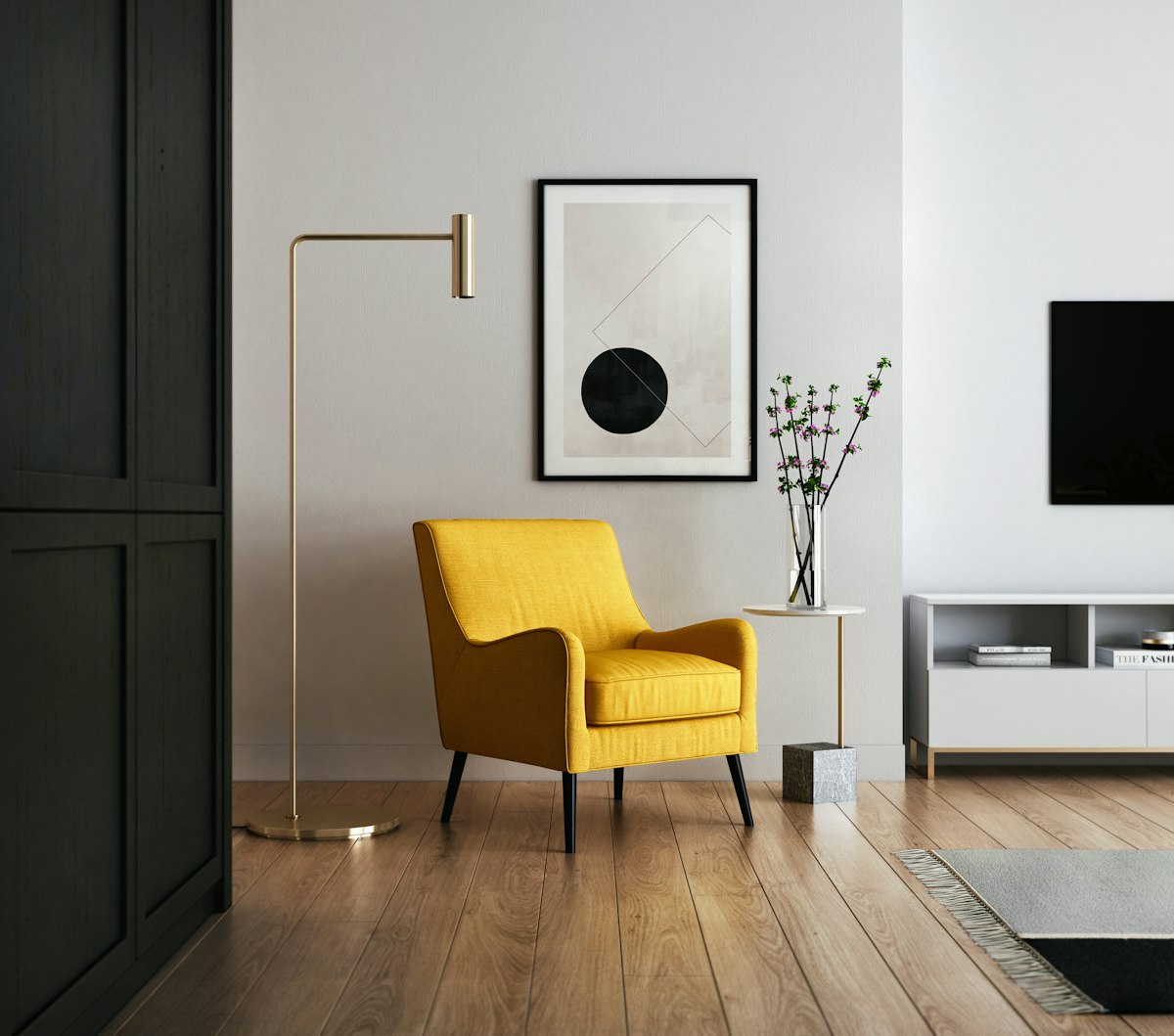
The sterile, all-white interiors of the 2010s have given way to something far more inviting. Warm minimalism in 2025 Dubai means travertine instead of white marble, warm oak instead of stark lacquer, and layered cream, sand, and camel tones instead of clinical grey. The result is spaces that feel calm, elevated, and genuinely liveable — designed to be occupied, not photographed for a magazine and vacated.
This trend is particularly evident in high-end residential projects, where clients are prioritising spaces that feel comfortable over spaces that look impressive. Both, of course, is the real goal — and it's absolutely achievable. See how we've applied this approach in our villa renovation projects.
Trend 2: Biophilic Design
In a desert city, the desire to connect with nature indoors is powerful. Biophilic design — integrating natural materials, indoor planting, natural light, and organic forms — has moved from niche to mainstream in Dubai's premium interiors market. Integrated planters, living walls, natural stone water features, and floor-to-ceiling windows that bring the outside in are all standard requests in our current project pipeline.
Beyond aesthetics, biophilic design has measurable benefits for wellbeing and productivity — particularly relevant in the office interior design context, where it consistently reduces stress and improves cognitive performance.
Trend 3: Smart Home Integration
Dubai clients increasingly expect Crestron, Control4, or Lutron smart home systems integrated invisibly into the design — controlling lighting, climate, audio-visual, and security from a single interface or voice command. The best implementations are ones you don't notice: no visible switches, no trailing cables, no wall boxes that interrupt a clean architectural line.
The challenge for designers is integrating these systems during the design phase, not retrofitting them afterward. Conduit routes, hub locations, and switch positions all need to be considered alongside the aesthetic brief. This is where a truly end-to-end luxury design studio adds the most value.
Trend 4: Sustainable Luxury
Sustainability is no longer a compromise — it's a signal of sophistication. Dubai homeowners and developers are requesting recycled and reclaimed materials, locally sourced UAE stone, low-VOC paints, and FSC-certified timbers as standard. Premium material brands are responding: some of the most beautiful surfaces available in 2025 have genuinely sustainable provenance.
For commercial clients, LEED and WELL certification is increasingly important — both for regulatory alignment and as a talent attraction and retention signal. We advise clients on sustainable specifications as part of every design brief.
Trend 5: Statement Ceilings
Dubai designers are increasingly treating ceilings as a fifth design surface — and the results are spectacular. Coffered details with integrated lighting coves, stretched fabric systems, sculptural plaster work, backlit onyx panels, and dramatic pendant groupings are all gaining significant traction. In a market where floor and wall specifications have been maximised for decades, the ceiling represents genuine design territory.
Statement ceilings work at every scale, from a single-bedroom apartment with a simply detailed plaster cornice to a villa majlis with a full hand-crafted wooden muqarnas installation. The ceiling is often the last thing clients think about — and frequently the detail that makes the biggest impression.
What's Out in 2025
As much as it's useful to know what's in, knowing what to avoid is equally valuable. Grey-on-grey palettes with chrome fixtures, floating TV panels on plain white walls, and open-plan living rooms with no spatial definition are all feeling dated. Heavy baroque furniture in non-European contexts, and ultra-polished surfaces without warmth or texture, are also giving way to more nuanced, considered specifications.
Ready to apply these trends to your home or workspace? Book a free consultation with our design team — we'll help you identify which directions are right for your space, your lifestyle, and your brief.